
Learn about Indian winter festival vegetarian dishes including gujiya, sesame sweets, gajar ka halwa, and other seasonal festive foods.
Winter in India is not just about seasonal vegetables—it’s also a time when festivals bring special vegetarian dishes into our kitchens. From sweet treats to hearty savories, these foods are deeply rooted in tradition, comfort, and togetherness.
Gujiya: The Festive Winter Sweet
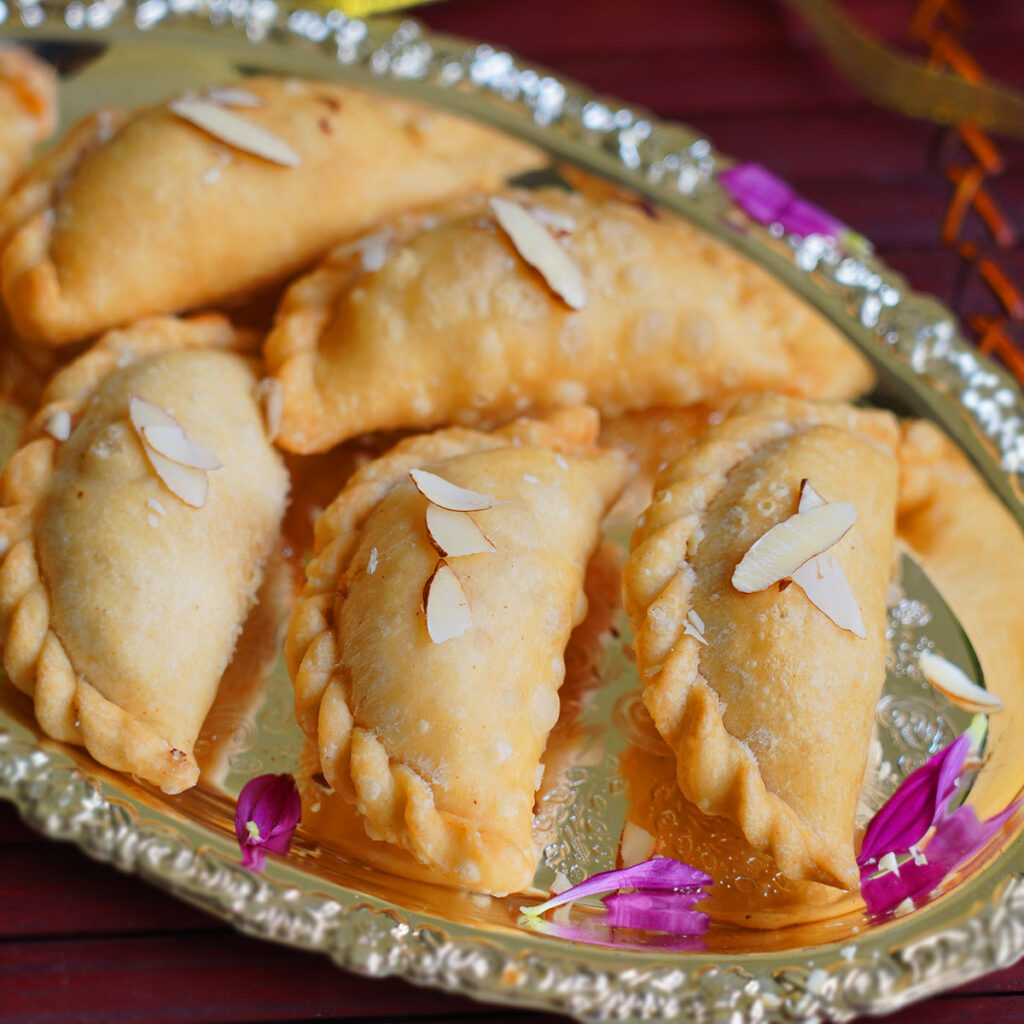
Gujiya is one of the most loved festive sweets, especially during Holi, which often falls at the end of winter. Made with a crisp outer shell and filled with a rich mixture of khoya, dry fruits, and coconut, gujiya is fried to golden perfection and soaked lightly in sweetness. In many North Indian homes, preparing gujiya is a family ritual, bringing generations together in the kitchen.
Til-Based Sweets for Warmth
During Makar Sankranti and Lohri, sesame seeds take center stage. Dishes like til ladoo, gajak, and rewri are not only delicious but also help keep the body warm during cold months. These sweets symbolize prosperity and are shared generously among friends and family.
Gajar Ka Halwa: A Winter Classic
No winter food list is complete without gajar ka halwa. Made from fresh red carrots, slow-cooked with milk, ghee, and sugar, this dessert is a staple in many vegetarian households. It is commonly prepared during festivals, weddings, and special family gatherings in winter.
Khichdi & Seasonal Savories
Festivals like Makar Sankranti also celebrate simple yet nourishing foods such as khichdi, made with rice, lentils, and mild spices. Alongside it, winter snacks like mathri, namak pare, and poha chivda are prepared in bulk and enjoyed throughout the season.
A Celebration of Tradition on the Plate
These winter festival dishes are more than just food—they reflect regional culture, seasonal wisdom, and the joy of sharing meals. Whether it’s a plate of gujiya with hot tea or a bowl of gajar ka halwa after dinner, winter vegetarian dishes bring warmth, nostalgia, and festive cheer to every home.